
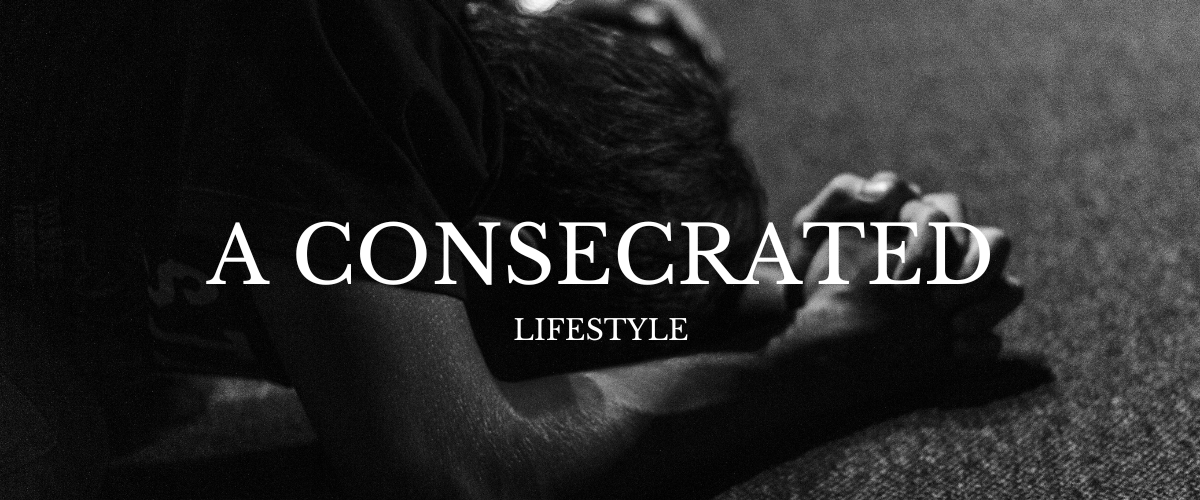
Rekindle the Altar of Prayer
Edward McKendree Bounds, initially a lawyer before becoming a pastor, once expressed, “Lord, teach me to pray when the whole world bleeds.” Throughout his life, Bounds maintained a disciplined routine, rising early and dedicating three to four hours each morning to intercessory prayer for nearly five decades.
I have been following the account of this amazing man of faith who, even during periods of conflict, motivated many to find resilience through prayer. It is my prayer that the same God who heard E.M. Bounds will continue to inspire passion in people’s lives today.
Bounds would wake before sunrise, even without an alarm. The first breath was prayer, the first word gratitude, then he would walk to the woods, and there, among the dew and birdsong, seek God’s voice. One morning, as the sky brightened, he wrote in his journal, if man wants to see the face of God, he must learn to wait until the earth falls asleep and heaven awakens. The same God who heard Bounds still ignites hearts with fire.
He didn’t pray for a few minutes. He prayed for hours, three, four, sometimes five, and only then would he open the Bible. He said that prayer was the key and the word the door. Prayer without the word is fire without fuel, and the word without prayer is a lamp without flame, he said.
The decades accumulated like pages. He aged, but his faith did not. White hair, tired body, but the same routine, wake at four, kneel, cry out because no day is safe without prayer. And he said, no soul is mature without fire. On one of his last trips, he preached at a small pastors’ conference. He spoke for only 20 minutes, but when he finished, no one stood up. The silence was dense. Men wept discreetly.
One of those present wrote afterward; it seemed as if the Holy Spirit himself was praying through him. Bounds would return home, weakened, but at peace. He continued writing until the end, surrounded by notebooks, candles, and unanswered prayers, and it was there between papers and sighs that he wrote his last known line: “Heaven still waits for men who will let themselves be consumed.”
I share this because I believe that if every Christian who hears this story decides to pray for one person today, thousands of hearts could awaken. After all, the same God who answered Bounds still waits for someone willing to fight on their knees.
Here is what I have gleaned from his life.
First, God hears persistent prayer even when Heaven seems distant.
Bounds’ life is a testimony to this truth. Day after day, year after year, he pressed on in prayer, undeterred by silence or struggle. He believed that even when answers were delayed, and the presence of God felt far away, every whispered plea and every tearful cry reached the heart of the Father. In moments of waiting, when hope flickered and midnight lingered, Bounds found assurance that faithfulness in prayer is never wasted. His unwavering commitment reminds us that the distance we sense is not a barrier for God; rather, it is an invitation to deeper trust and intimacy. Persistence in prayer is the bridge that spans the gap between our longing and Heaven’s response, and through it, we discover that God is nearer than we think, attentive to every word we utter in faith.
Second, God uses ordinary people, not the most talented, but the most broken.
It is not the polished or the powerful whom God seeks, but those whose hearts have been humbled by trial and whose spirits have been softened by need. Bounds himself was not marked by extraordinary gifts or public acclaim; rather, he was a man acquainted with weakness, familiar with disappointment, and shaped by hardship. Yet, it was precisely through his vulnerability and surrender that God’s strength was revealed. Bounds’ life proves that our limitations do not disqualify us—instead, they become the very place where divine grace abounds. When we offer God our wounds and weariness, He transforms them into instruments of compassion and channels of intercession. In God’s hands, the ordinary and broken become vessels for an extraordinary purpose, and through them, heaven touches earth.
And third, immediate obedience releases heavenly power.
Bounds understood that when God’s prompting comes—whether through Scripture, prayer, or a gentle stirring in the heart—delayed response often means missed opportunity. He taught that obedience is not merely agreeing with God, but acting at once, even when the outcome is uncertain or the cost is high. In those moments of surrender, when we set aside our hesitations and step forward in faith, God’s power is unleashed in ways we could never orchestrate ourselves. Bounds’ own life was marked by such obedience; he responded to God’s call in the quiet hours of morning and in the unseen sacrifices of daily life. Through his example, we see that obedience is the hinge upon which miracles swing—when we say yes to God without reservation, we become participants in His divine work, and the impossible becomes possible.
Like Bounds, I believe that Prayer is the greatest act of Faith, because you’re speaking to a God you cannot see, and you’re living as if you’ve already been heard.
Each time we bow our heads, we cross the threshold between the visible and the invisible, trusting that our words—though whispered in secret—resound in the halls of Heaven. Prayer is not wishful thinking or empty ritual; it is the audacious confidence that our cries matter, that the Creator bends low to listen, and that unseen hands are already at work. In praying, we declare with our very lives that God is real, attentive, and faithful to respond, even when the evidence is not immediate or obvious.
This faith shapes how we live. We carry ourselves through difficulties with a quiet assurance, not because circumstances have changed, but because we believe we’ve been heard by the One who holds the future. Our actions—marked by hope, patience, and gratitude—become living testimonies to the power of unseen realities. And, as we persist in seeking God first, we discover that prayer doesn’t just change outcomes; it changes us, drawing us deeper into the mystery and intimacy of walking by faith, not by sight.
There is still power when someone kneels. So don’t stop praying. Pray until the cold of indifference breaks. Pray until someone’s name returns to your memory. Pray until Heaven moves, because every revival begins when a man or woman refuses to rise before God speaks. The same fire that burned in Bounds still blazes, waiting for a new altar, and perhaps that altar is inside your chest.
 Jennifer Saunders Emedi